Manufacturing Insights That Drive Better Performance
Manufacturing is constantly evolving. As customer expectations increase and production demands become more complex, businesses are under greater pressure to improve efficiency, maintain consistent product quality and optimise every stage of the manufacturing process.
Throughout June, we explored some of the challenges manufacturers face across different industries and examined how modern processing technologies are helping businesses overcome them. Although each application was unique, a common theme emerged: better processes lead to better products.
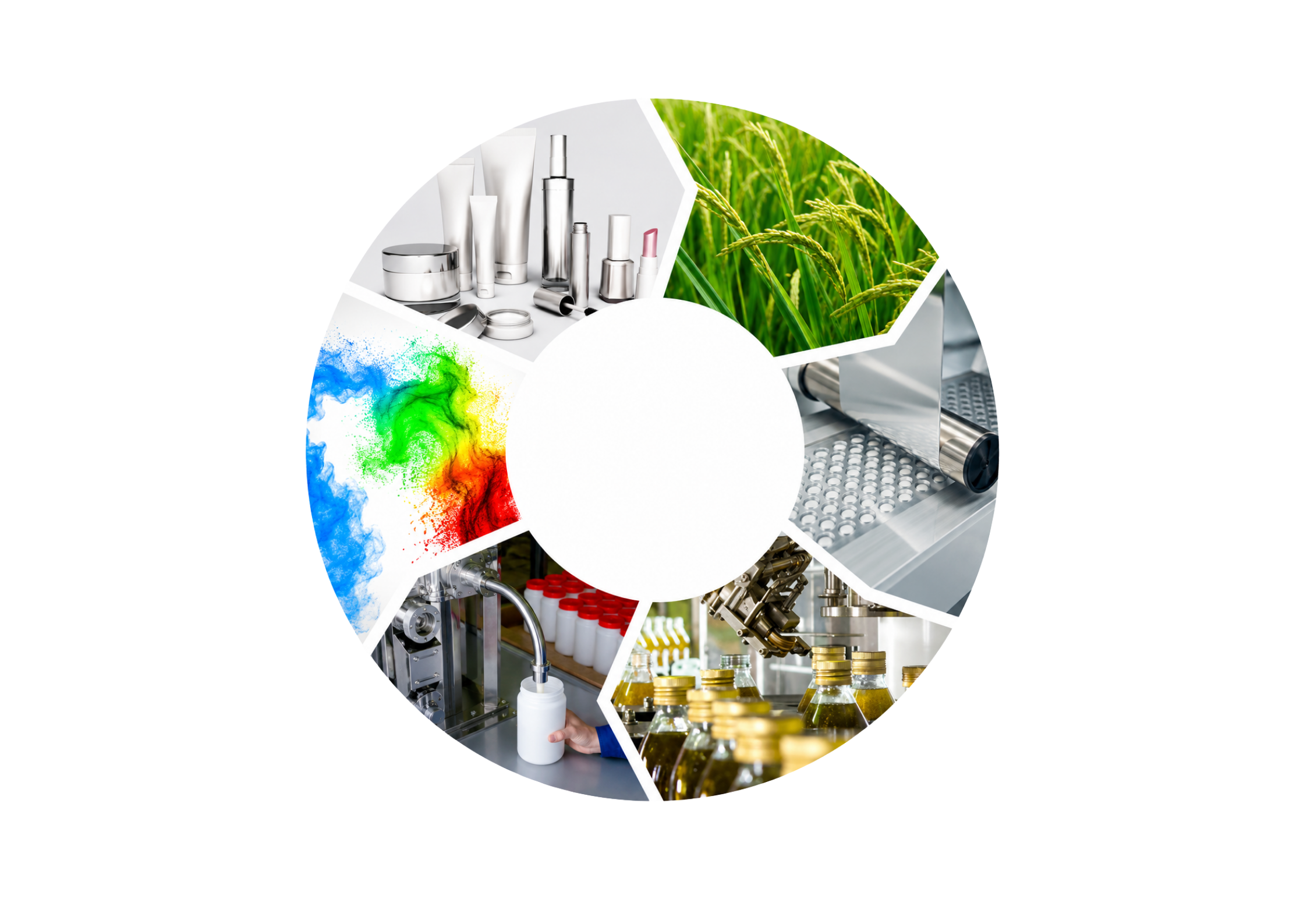
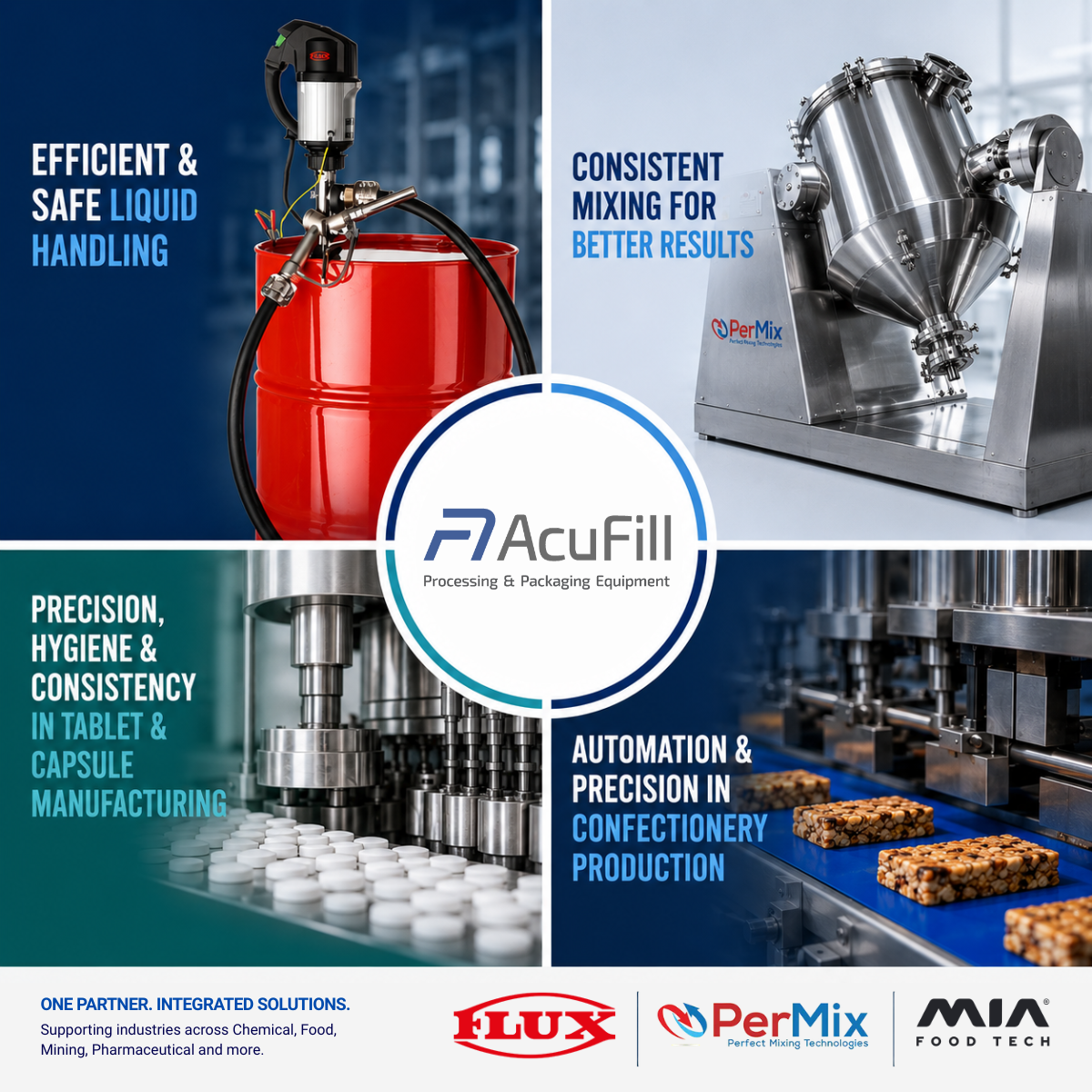
From liquid handling and industrial mixing to confectionery production and pharmaceutical manufacturing, every stage of production plays a role in determining product quality, operational efficiency and long-term business performance.
Improving Liquid Handling from the Start
Many manufacturers invest heavily in improving their production lines while overlooking one of the earliest stages of the process—material handling.
Across industries such as chemical manufacturing, food production, mining and pharmaceuticals, liquids are still transferred manually in many facilities. Although this has long been accepted as standard practice, manual handling can create unnecessary spills, increase operator fatigue and introduce inefficiencies before production has even begun.
Modern drum and container pump systems provide a more controlled approach to liquid transfer. By reducing manual handling and improving process control, manufacturers can minimise product loss, improve workplace safety and create more efficient production workflows.
Often, improving production begins with improving how materials move through the factory.
Consistency Begins with the Right Mixing Process
Product quality is built long before a finished product reaches the customer. One of the most influential stages in any manufacturing process is mixing.
Whether producing pharmaceutical powders, food ingredients or chemical formulations, achieving a homogeneous mixture is essential for product consistency and batch repeatability.
However, successful mixing is about more than simply blending ingredients together. Different materials behave differently, and selecting the appropriate mixing technology is critical to achieving reliable results.
Modern mixing solutions help manufacturers improve ingredient distribution, reduce variability between batches and create more stable production environments. The result is greater consistency, improved product quality and more efficient manufacturing operations.
Supporting Growth in Food Manufacturing
As demand for snack bars, cereal bars and confectionery products continues to grow, manufacturers are expected to increase production without compromising quality.
Maintaining consistency across every batch becomes increasingly challenging as production volumes rise. Variations in ingredient distribution, cooking conditions and product handling can affect texture, appearance and overall product quality.
Automation has become a valuable tool in addressing these challenges.
Modern confectionery processing systems allow manufacturers to improve repeatability, increase throughput and maintain consistent production standards across every stage of the process. By reducing manual intervention and improving process control, businesses can scale production more effectively while maintaining the product quality their customers expect.
Precision Matters in Pharmaceutical Manufacturing
Few industries demand the level of accuracy required in pharmaceutical manufacturing.
From powder handling and blending to granulation, tableting and capsule filling, every stage of production must remain tightly controlled to ensure accurate dosage, consistent product quality and patient safety.
Even small variations in powder flow or ingredient distribution can affect the final product, making precision essential throughout the manufacturing process.
Advanced pharmaceutical processing equipment helps manufacturers create repeatable, controlled production environments that support product consistency, regulatory compliance and operational efficiency. By maintaining accurate processing conditions, businesses can improve reliability while reducing the risk of rejected batches and unnecessary downtime.
One Common Goal Across Every Industry
Although the industries discussed throughout June were diverse, they all shared the same objective.
Manufacturers are striving to produce higher-quality products while operating more efficiently.
Whether improving liquid transfer, selecting the right mixing technology, automating confectionery production or maintaining pharmaceutical precision, success depends on understanding how every stage of the manufacturing process contributes to the final result.
Small improvements made throughout production often combine to create significant gains in efficiency, consistency and overall operational performance.
Looking Ahead
Innovation in manufacturing is not driven by one breakthrough or one piece of equipment. It is achieved through continuous improvement, thoughtful process design and investing in technologies that solve real production challenges.
Throughout June, we explored practical ways manufacturers can improve productivity, enhance product quality and build more efficient production environments. These topics represent only a small part of the challenges facing modern industry, but they highlight how the right processing solutions can make a measurable difference across a wide range of applications.
At Acufill, we are proud to partner with leading global manufacturers including FLUX Pumps, PerMix and MIA Food Tech to deliver processing and packaging solutions that help businesses improve efficiency, consistency and production performance across food, pharmaceutical, chemical and industrial manufacturing.
If you missed any of our June insights, we invite you to explore the full collection of articles and discover how modern processing technologies are helping manufacturers optimise every stage of production.
Contact us to learn more