Reducing Waste Starts Before Production: The Hidden Cost of Liquid Transfer
When manufacturers look for opportunities to reduce waste and improve efficiency, the focus often falls on production equipment, process optimisation and quality control systems. While these areas undoubtedly play an important role, one source of waste is frequently overlooked — liquid transfer.
Across industries such as chemical manufacturing, food production, mining, cosmetics and pharmaceuticals, liquids are moved between drums, containers and production systems every day. Because these activities are often viewed as routine, the inefficiencies associated with them can go unnoticed.
However, when examined more closely, liquid transfer is often one of the first points where product loss, wasted labour and production inefficiencies begin to occur.
As manufacturers continue to focus on reducing waste and improving operational performance, many are discovering that the journey towards greater efficiency starts with a Flux Pump Solution.
The Hidden Cost of Manual Liquid Transfer
In many manufacturing facilities, liquids are still transferred using traditional methods that involve manually pouring, tipping or decanting containers.
While these methods may appear simple, they often introduce inefficiencies that affect both productivity and operating costs.
Spillage is one of the most obvious challenges. Even small amounts of product lost during every transfer process can accumulate significantly over time, particularly when handling high-value ingredients, chemicals or specialised formulations. Beyond the direct cost of lost product, spills can also create additional cleaning requirements, housekeeping challenges and safety concerns throughout the facility.
Labour utilisation is another important consideration. Manual decanting processes often require operators to spend valuable time handling materials rather than focusing on higher-value production activities.
The challenge becomes even greater when handling viscous, paste-like or non-flowable products. Unlike free-flowing liquids, these materials are often difficult to remove completely from drums and containers. Operators may be required to scoop, scrape or manually extract remaining product, creating a process that is both labour-intensive and inconsistent.
In many cases, a surprising amount of valuable product remains trapped inside containers long after the transfer process has been completed.
For manufacturers focused on reducing waste, this residual product represents lost revenue, increased material costs and unnecessary inefficiency.
Why Residual Product Matters
Many businesses underestimate the impact of residual product left behind in drums and containers.
When viewed on a single container basis, the remaining product may appear insignificant. However, when multiplied across hundreds or even thousands of drums processed throughout a year, the cumulative losses can become substantial.
For manufacturers handling expensive raw materials, food ingredients, pharmaceutical products or specialty chemicals, every percentage point of recovered product can have a meaningful impact on profitability.
Residual product also creates additional waste disposal considerations. Containers that are not effectively emptied may require additional cleaning, processing or disposal procedures, adding further cost to the operation.
As manufacturers continue to focus on sustainability and resource optimisation, improving product recovery is becoming an increasingly important part of waste reduction strategies.
The Relationship Between Waste & Production Efficiency
Waste is often viewed purely as a material loss issue, but its impact extends far beyond the product itself.
Inefficient transfer processes can affect production scheduling, labour allocation and overall operational flow. Manual handling processes often take longer to complete, increasing the time required to prepare materials for production.
When operators spend excessive time transferring product, production teams may experience delays that affect downstream processes. These interruptions can reduce throughput and limit the ability of a facility to maximise productivity.
In addition, inconsistent transfer methods can introduce variability into manufacturing operations. Different operators may use different techniques, resulting in varying transfer times, inconsistent product recovery and differing levels of waste from one batch to the next.
A Smarter Approach to Liquid Transfer
FLUX liquid handling systems are designed to address many of the challenges associated with traditional decanting methods.
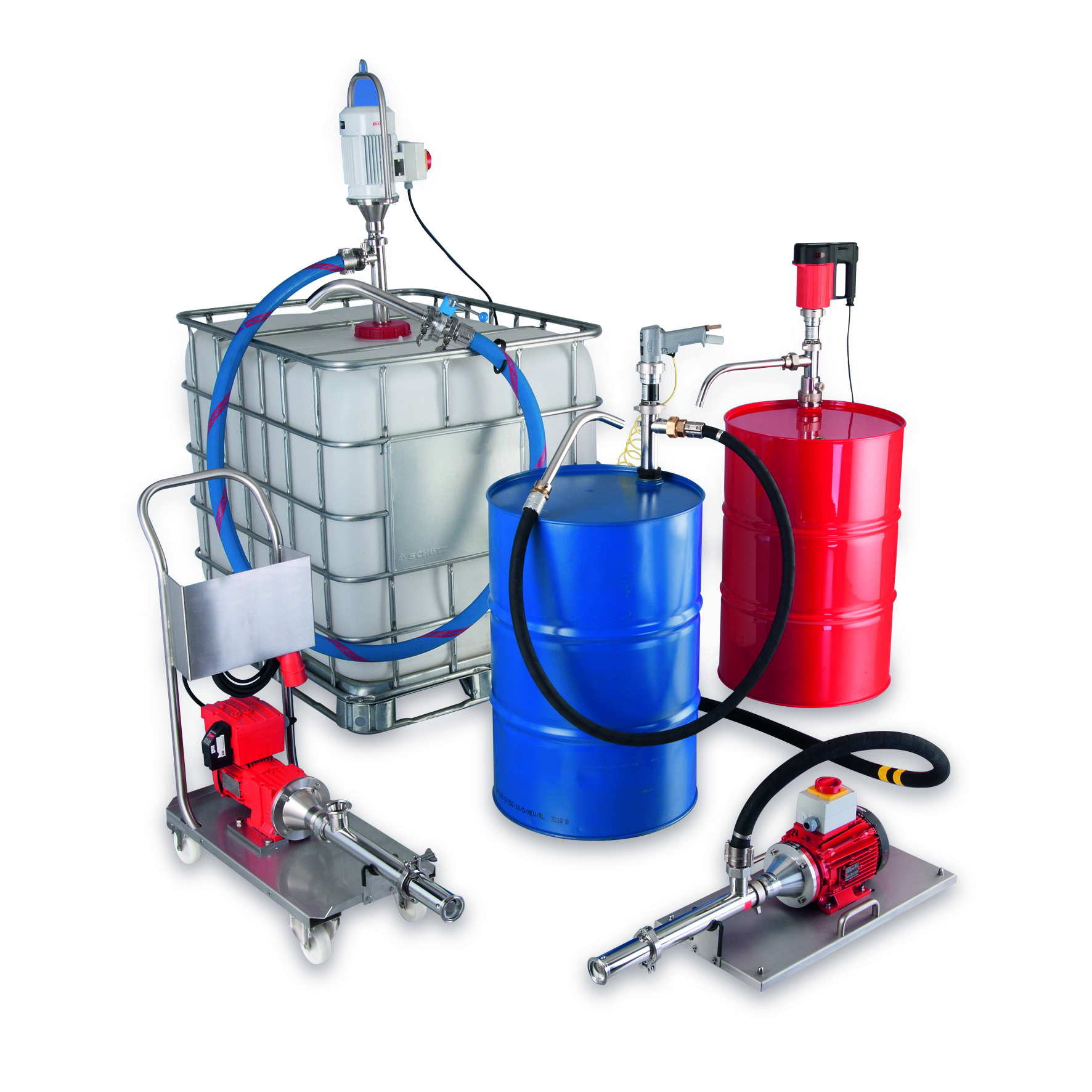
Rather than relying on manual pouring or tipping, advanced FLUX Pump transfer systems allow liquids to be extracted directly from drums and containers in a controlled and efficient manner.
This approach helps reduce spills, improve product recovery and minimise the labour requirements associated with material transfer.
By creating a cleaner and more controlled transfer process, manufacturers can improve both operational efficiency and workplace safety while reducing unnecessary waste throughout the facility.
The Science Behind Efficient Liquid Transfer
FLUX has spent decades developing liquid handling solutions designed to maximise product recovery while simplifying the transfer process.
FLUX Pump Kits are specifically designed to transfer liquids directly from drums and containers in a controlled and efficient manner. By eliminating many of the challenges associated with manual decanting, these systems help manufacturers reduce spills, minimise product loss and improve overall process efficiency.
The benefits become particularly apparent when handling challenging products.
Highly viscous, paste-like and non-flowable materials present unique transfer challenges that traditional methods often struggle to overcome. Manual extraction of these products is time-consuming, labour-intensive and frequently results in significant amounts of product being left behind in the container.
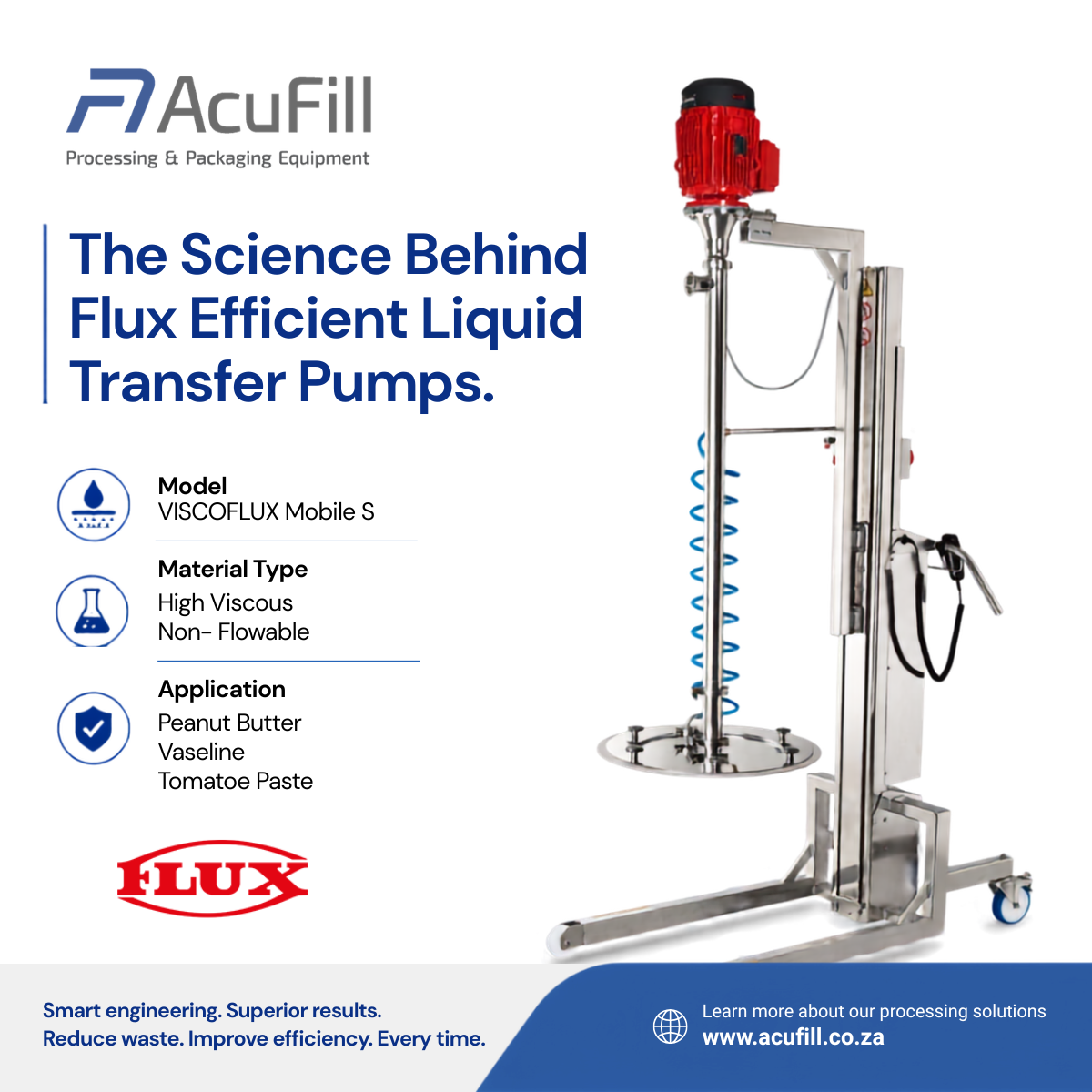
To address these challenges, FLUX developed the VISCOFLUX mobile S and VISCOFLUX lite systems.
These solutions are specifically engineered to transfer highly viscous materials efficiently while dramatically reducing the amount of residual product left in drums and containers. In many applications, residual product levels can be reduced to less than 1%, allowing manufacturers to recover more of the product they have purchased while minimising waste and improving productivity.
For businesses processing valuable materials, this level of product recovery can have a meaningful impact on both operating costs and overall process efficiency.
Maximising Product Recovery
Even when handling standard liquid products, efficient drum emptying technology can significantly improve material utilisation.
The FLUX F 425 drum emptying pump is designed to maximise product recovery by extracting virtually all available product from a container. In many applications, the system is capable of achieving up to 99.98% drum emptying.
This means less residual product remains behind, allowing manufacturers to extract more value from every drum while reducing unnecessary waste.
When multiplied across an entire production facility, these improvements can contribute to substantial savings in material costs while supporting broader sustainability and waste reduction objectives.
Building More Efficient Manufacturing Operations
Reducing waste is not always about making major changes to production equipment or manufacturing processes.
Sometimes the greatest opportunities for improvement can be found in the smaller, everyday activities that take place throughout a facility.
Liquid transfer is one of those activities.
By improving how materials are handled before production begins, manufacturers can reduce product loss, improve labour efficiency and create more consistent operational processes throughout the facility.
As businesses continue to focus on reducing waste and improving production efficiency, modern liquid handling technologies are becoming an increasingly valuable part of the solution.
At Acufill, we work with advanced FLUX liquid handling technologies to help manufacturers improve product recovery, reduce waste and create more efficient production environments across a wide range of industries.
Contact Us To Learn More