
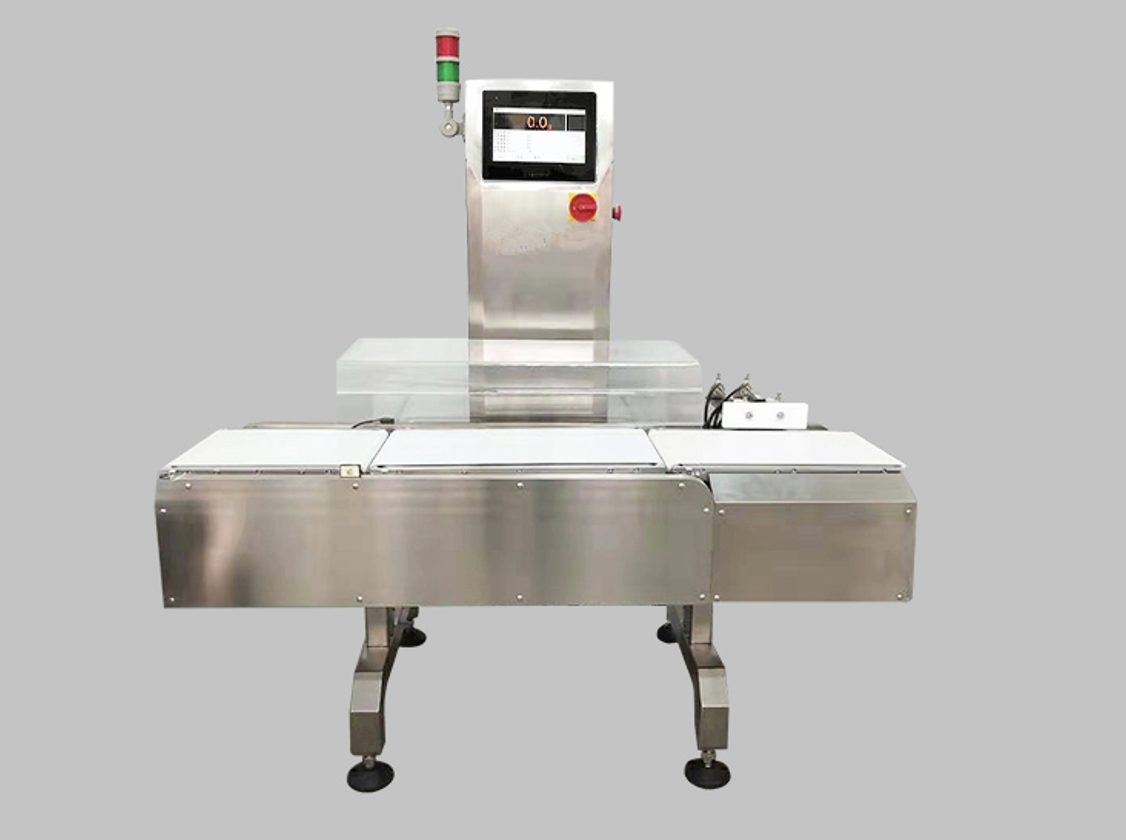
Why Checkweighing Is Critical in the Pharmaceutical and Food Industries
In highly regulated industries like pharmaceuticals and food production, precision isn’t optional—it’s essential. Among the many quality control measures in place, checkweighing plays a pivotal role in ensuring product integrity, regulatory compliance, and consumer safety.
What Is Checkweighing?
Checkweighing is the process of verifying the weight of a product during or after packaging to ensure it falls within specified limits. Products that are underweight may not meet regulatory standards, while overweight items may indicate overfilling or packaging inconsistencies—both of which can have serious cost and compliance implications.
💊 Checkweighing in Pharmaceuticals: Precision Meets Compliance
In the pharmaceutical sector, accuracy is paramount. Every tablet, blister pack, or vial must contain the correct dosage, not just for efficacy but for safety and legal compliance.
Why it matters:
-
Regulatory Compliance: Bodies like the FDA and EMA require strict adherence to weight specifications. Checkweighers provide documented evidence of compliance.
-
Avoiding Product Recalls: A single batch with inconsistent weights can lead to costly recalls, damage to brand reputation, and legal consequences.
-
100% Inspection: Modern dynamic checkweighers can inspect every single item in high-speed production lines without slowing down operations.
🥫 Checkweighing in the Food Industry: Protecting Both Brand and Bottom Line
In food manufacturing, weight consistency is not only a legal requirement—it also impacts profitability and consumer trust.
Key benefits:
-
Cost Control: Overfilling packages eats into margins over time. Checkweighing ensures you’re not giving away product unnecessarily.
-
Regulatory Standards: Laws governing Net Quantity of Contents demand that packages reflect the weight stated on the label.
-
Customer Satisfaction: Inconsistent product weight can erode brand loyalty. Checkweighing ensures a reliable customer experience.
📈 Beyond Compliance: Operational Efficiency
Modern checkweighers are more than just compliance tools—they’re data-driven systems that feed into broader manufacturing intelligence.
-
Real-Time Feedback Loops: Some systems can automatically adjust filling equipment to maintain optimal weights.
-
Integration with Quality Systems: Checkweighers can be connected with SCADA and MES systems to provide traceability and process control.
-
OEE Improvement: Catching errors before they become costly defects improves Overall Equipment Effectiveness (OEE).
🧠 Final Thoughts
In both pharmaceuticals and food production, checkweighing is a non-negotiable quality control step that protects consumers, safeguards compliance, and improves operational efficiency. Investing in the right checkweighing technology is not just about ticking a regulatory box—it’s a strategic move toward more reliable, cost-effective manufacturing.
Are you leveraging the full power of checkweighing in your production lines?
Contact Us to talk more about how you can optimize your quality assurance strategy.
#Pharmaceuticals #FoodManufacturing #QualityControl #Checkweighing #RegulatoryCompliance #Automation #ManufacturingExcellence #OperationalEfficiency